How Long Does a Boiler Installation Take? What Your Property Changes
By Home Heating Solutions
The boiler is only one part of an installation. The time involved also depends on what is already in your home and whether the new appliance can connect to it without changes. That is why a useful estimate needs to account for the property, not just the model being fitted.
For homeowners in Stafford and nearby areas, the details that matter include the type of heating system you have, where the boiler sits, how accessible the connections are and whether the flue (the pipe that carries exhaust gases outside) can use a suitable route. Here is how those factors shape the work.
The existing system sets the starting point
A replacement that keeps the same basic arrangement is different from changing how your heating and hot water are delivered. A combi, system and conventional boiler each connect to a different setup. If the new boiler is being fitted into an existing arrangement, the connections and surrounding equipment may need less alteration than if the system is changing too.
Look at what is currently installed before requesting an estimate. Is there a hot water cylinder? Is there a cold water storage tank? Where is the boiler in relation to them? You do not need to identify every component yourself, but a clear description and a few photographs can help explain the layout when you first speak to an installer.
A change in system type can involve more than swapping the appliance. Existing cylinder or tank arrangements, pipe connections and controls may need to be considered as part of the new design. The right choice should suit how the household uses hot water as well as the physical space available.
Boiler location and access affect the work
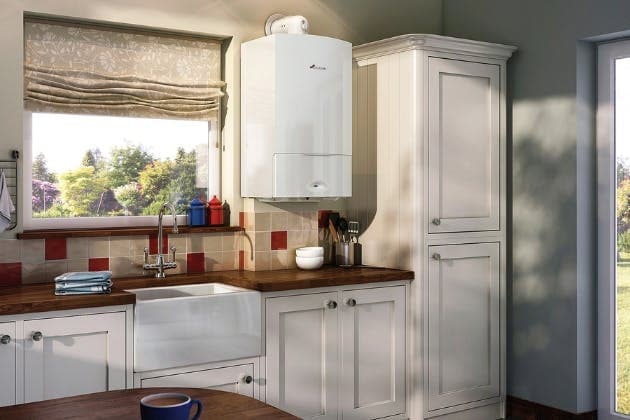
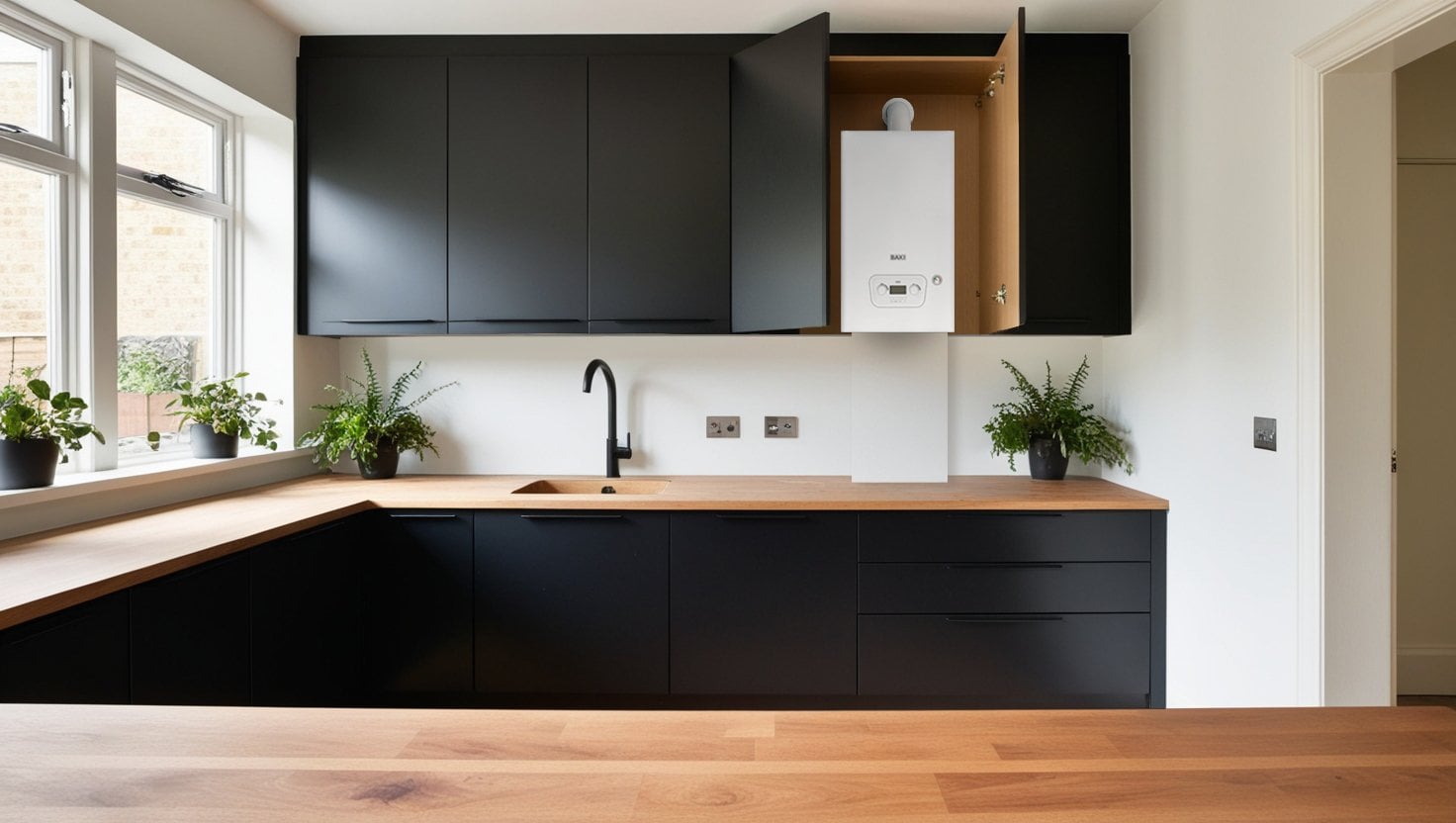
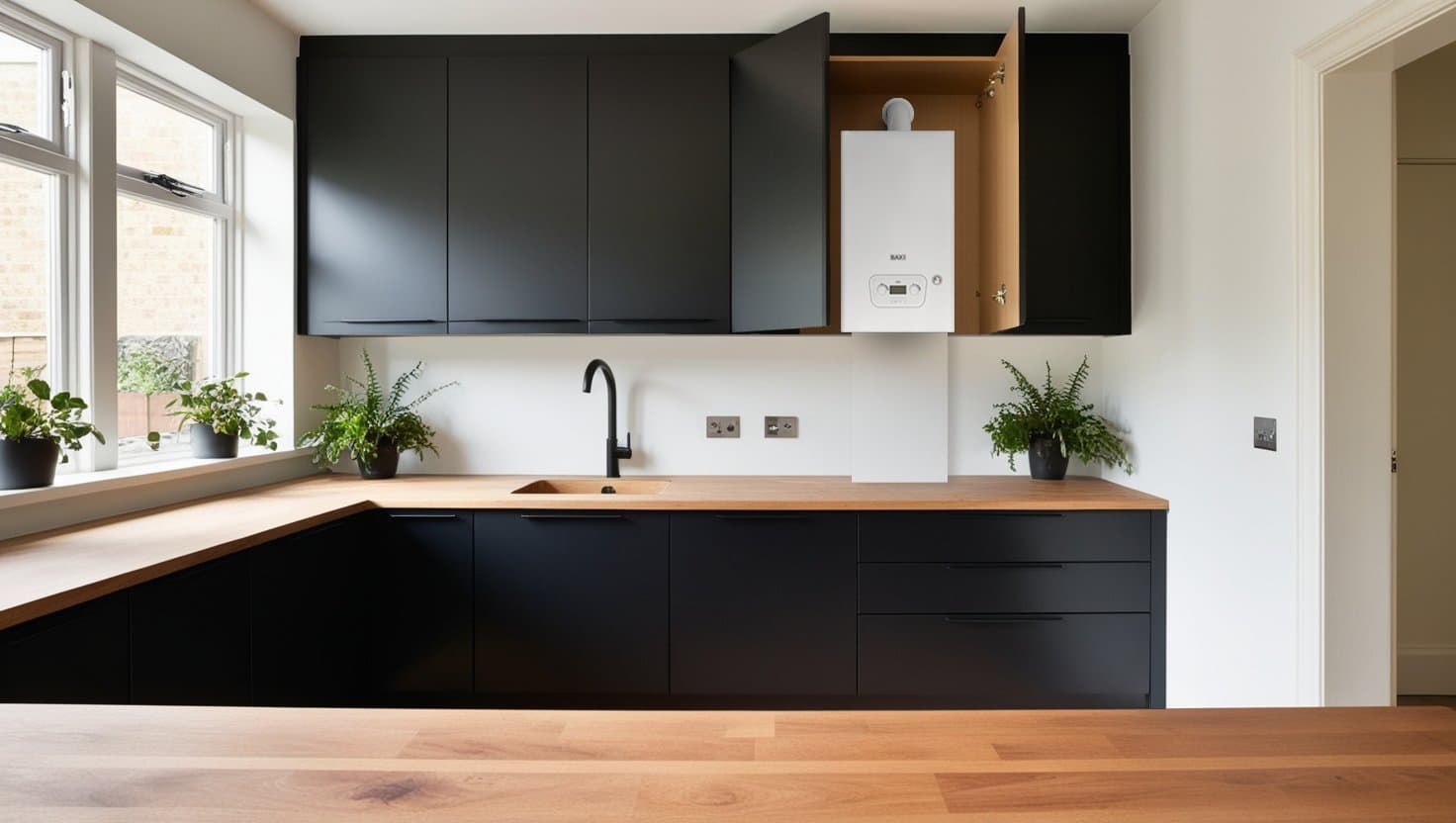
A boiler tucked into a cupboard, loft or tight utility space can be harder to reach than one in an open, accessible area. The installer needs room to work safely around the appliance and make the required connections. Carrying equipment through the property, protecting access routes and clearing the work area can also influence how smoothly the job proceeds.
Before the assessment, note anything that could affect access: stored items around the boiler, narrow stairs, a loft hatch or a route through rooms that need to remain usable. Clearing the immediate area and telling us about access restrictions helps avoid surprises. Do not disconnect, move or dismantle any part of the heating system to prepare.
The boiler’s position also matters because the flue must discharge safely to an appropriate location. If the new appliance is staying in place, the existing route still needs to be considered for suitability. Moving the boiler can mean finding a new route through the building, which may involve changes to pipes and walls or other parts of the building. The property layout determines what is practical.
Pipework and controls can add scope
The visible boiler does not show the full condition or layout of the pipes that carry heat around your home. Pipework may need adjustment to connect the new appliance, and the arrangement of radiators, valves and controls can affect what needs to be changed. Where alterations are required, the installation involves more than fitting the unit and reconnecting the same points.
Tell the installer about issues you have noticed, such as radiators that heat unevenly or controls you find difficult to use. These observations do not diagnose a fault, but they give useful context when deciding what should be included in the work. Any proposed changes should be explained so you can understand which are essential for the installation and which relate to improving the wider system.
What to ask before agreeing the work
Ask for the proposed scope to spell out whether the boiler is staying in the same position, whether the flue route changes and whether existing pipework, a cylinder or controls need alteration. Also check what work is excluded. This makes it easier to compare estimates on the same basis and understand why two properties needing the same boiler may have different installation requirements.
A clear assessment should take account of the appliance, the existing heating and hot water setup, access and the property’s layout. Gas work must be carried out by a suitably qualified professional. We are Gas Safe Registered, and we install boilers across Stafford and surrounding areas.
If you want an overview of the service, read our Boiler Installations page. For advice about your own home, speak to us with a description of the current system and any access or layout details you already know. That gives us a better starting point for discussing what the installation involves.