Suspect a Gas Leak or Have No Heating? Safe Checks to Make
By Home Heating Solutions
First, separate a possible leak from a heating fault
A boiler that is not working can be inconvenient, but a possible gas leak is an immediate safety concern. The first useful check is not inside the boiler. It is whether you can smell gas or have another reason to suspect gas is escaping.
If you can smell gas, hear gas escaping or feel unsure, treat it as a leak. Do not try to find the source or test an appliance. Do not operate electrical switches, use a naked flame or smoke. Open doors and windows if you can do so safely. Turn off the gas at the meter only if you can reach the emergency control without taking a risk. Leave the property and contact the gas emergency service from outside. Follow its instructions and do not go back in until you are told it is safe.
Do not assume a leak is ruled out just because the boiler has stopped working, or that a lack of heating means there is a leak. Keep the situations distinct: suspected escaping gas calls for immediate safety action; a heating failure without signs of a leak can usually be approached through simple, safe checks.
If there is no heating and no sign of a leak
Start with the controls you normally use. Check whether the thermostat is set high enough to switch the heating on, and whether the heating timer is set to run at that time. If the controls use batteries, check whether the display indicates they need replacing. These checks can help identify a setting or control issue without opening the boiler.
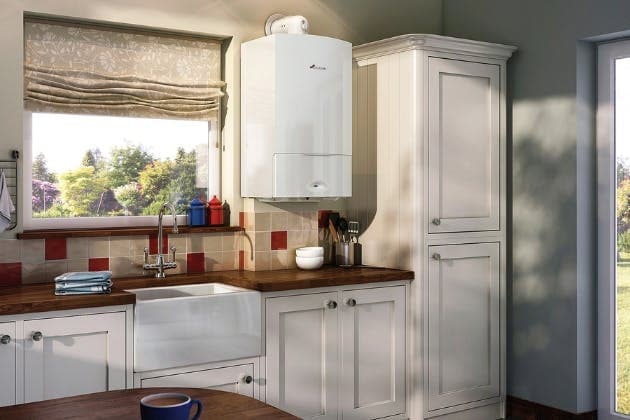
Next, look at the boiler’s display from the outside. Note any fault code or warning light and check the operating instructions for what it means. A code is useful information to pass on, but it does not necessarily identify the cause by itself. Different faults can produce similar symptoms, and the correct diagnosis depends on the boiler and the wider heating system.
If your boiler has a pressure gauge, you can read it without removing its casing. Compare the reading with the guidance for your specific appliance. Do not add water or adjust valves unless you understand the instructions for that model and are confident about the procedure. If you are uncertain, leave it alone and tell the engineer what the gauge shows.
You can also note what is and is not working. For example, is there hot water but no central heating, or are both affected? Does the boiler display a fault? Have you noticed a change in its operation? These details help narrow down whether the issue may relate to the controls, the boiler or another part of the heating system.
Know where the safe boundary is
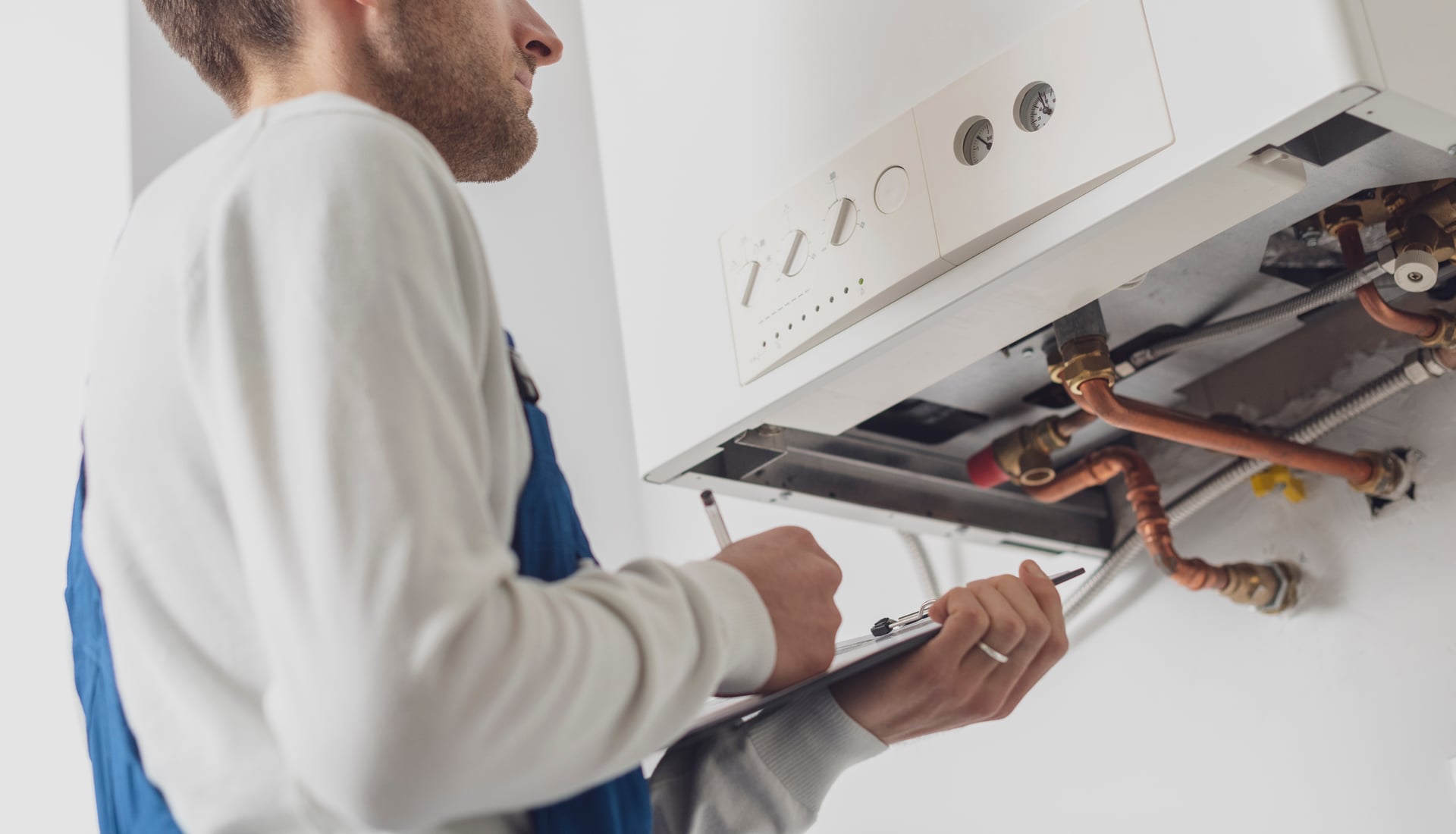
A visual check of controls and displays is different from working on a gas appliance. Do not remove the boiler casing, adjust gas components, disconnect pipework or try to repair a suspected leak. Never use a flame to check a joint. These actions can expose you to gas, harmful fumes or other hazards, and may make a fault harder to assess.
Avoid repeatedly resetting a boiler when it keeps shutting itself down. A reset may clear a temporary fault, but repeated lockouts are a sign to stop and seek advice rather than keep trying. Record any message shown and explain what happened before the fault appeared.
If the boiler makes an unusual sound, shows signs of damage or gives you any reason to suspect unsafe operation, stop using it and get advice from a suitably qualified professional. If you suspect gas is escaping at any point, switch from routine fault checks to the emergency steps above.
What to tell the engineer
When you contact an engineer, describe the symptoms rather than trying to diagnose the cause. Say whether you can smell gas, whether the boiler has power, what its display shows, and whether heating, hot water or both have stopped. Mention any checks you have already made and whether the fault has returned after a reset.
For homes in Walsall, Stafford and nearby areas, we provide gas services including boiler work. We are Gas Safe registered, and we can help assess a fault that needs professional attention. For an overview of the work we offer, see our Gas Services page. If you are unsure whether what you have noticed points to a leak, prioritise safety and contact the gas emergency service rather than investigating it yourself.