What Maintenance Does an Unvented Cylinder Need?
By Home Heating Solutions
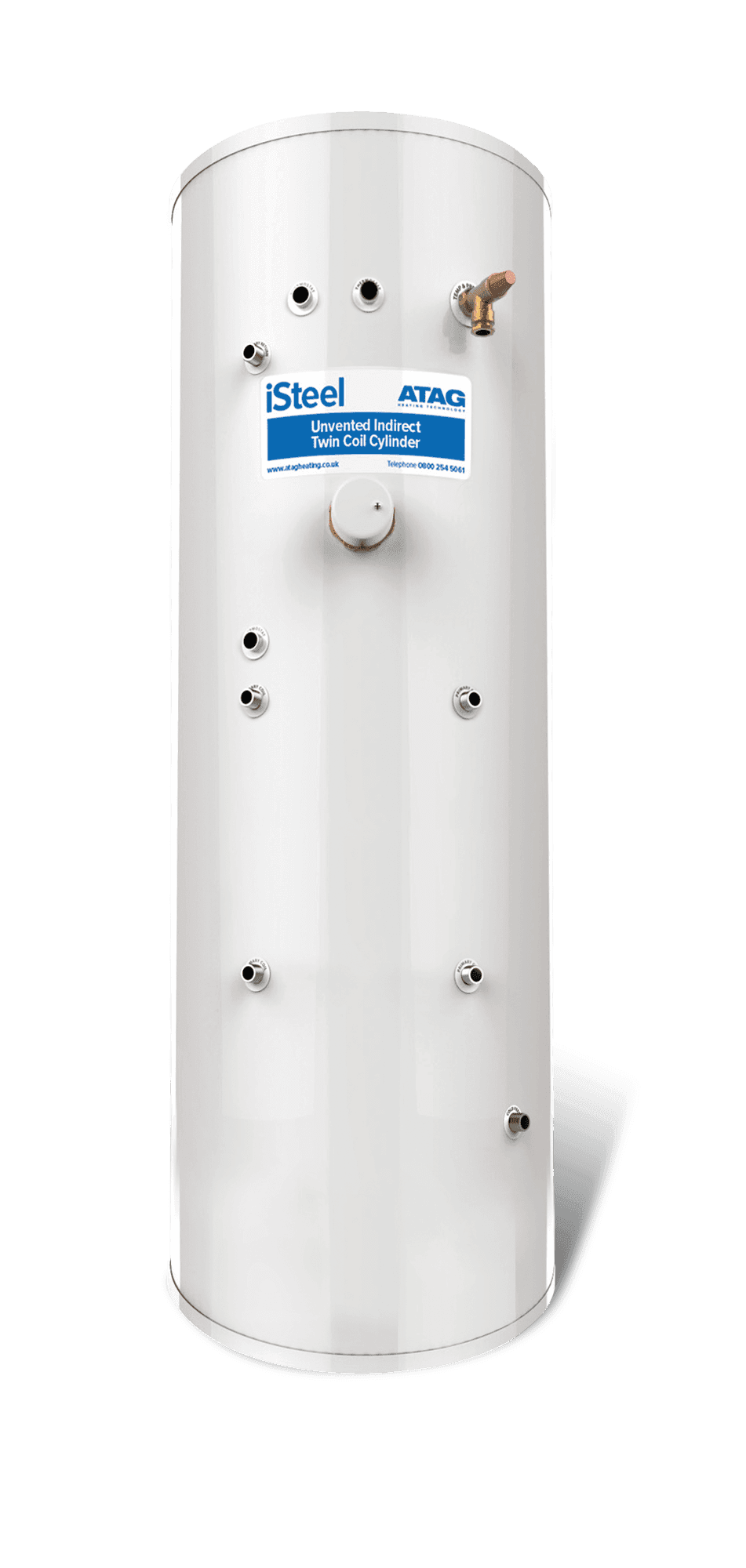
What maintenance does an unvented cylinder need?
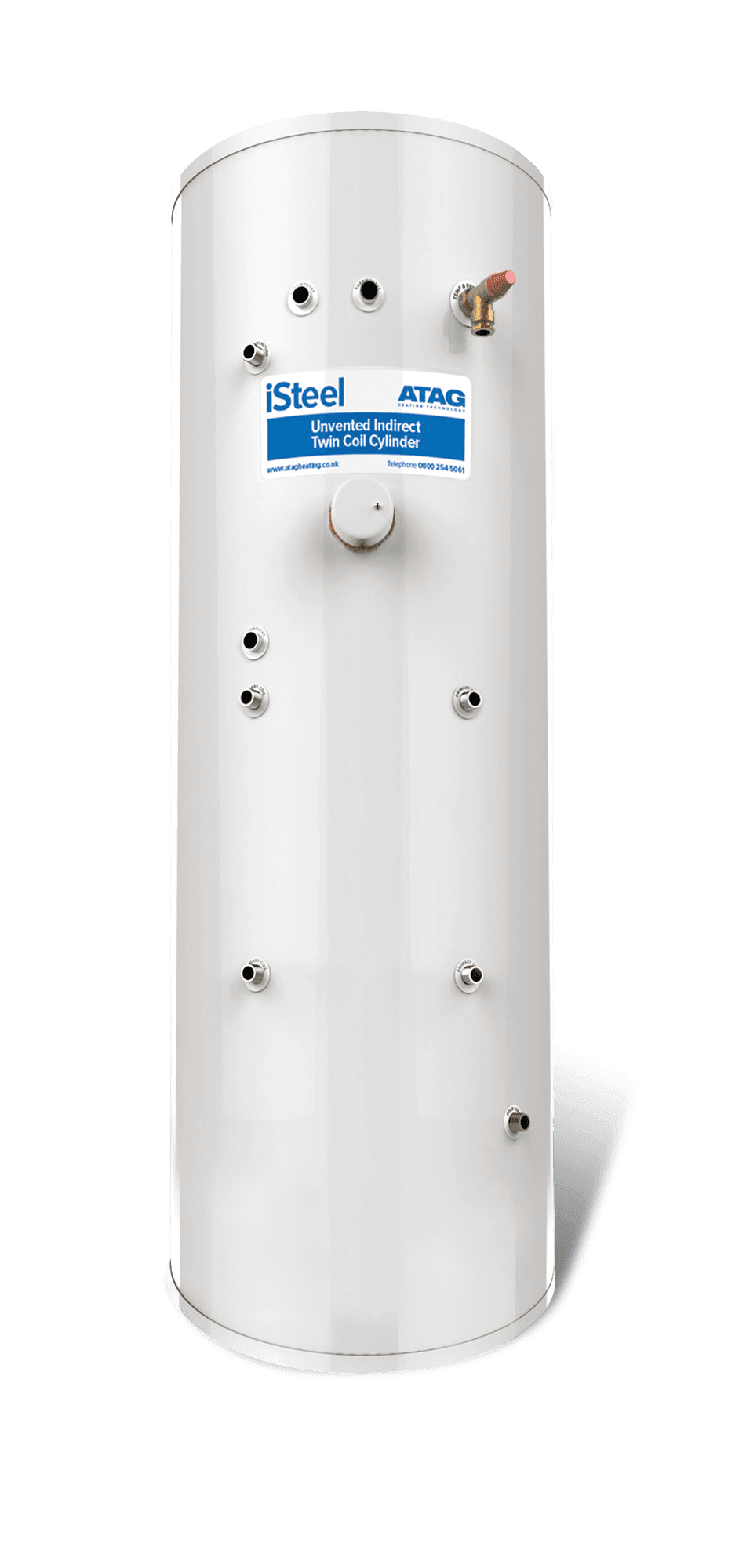
An unvented cylinder is not simply a hot water tank connected to the mains. It is a pressurised system, so its performance and safety depend on valves, controls, expansion equipment and discharge pipework all doing their jobs correctly.
That is why maintenance should focus on how the system behaves, not just whether hot water is coming out of the taps. A cylinder can continue supplying hot water while a safety component is already deteriorating. By the time the fault becomes obvious, it may have caused water damage, poor performance or an avoidable breakdown.
Our Unvented Hot Water Cylinder service covers installation and replacement, but understanding the main failure points helps you recognise when your system needs attention.
The expansion system must absorb pressure changes
Water expands as it heats. In an unvented cylinder, that expansion needs somewhere to go. Depending on the cylinder design, this is managed by an internal air gap or an external expansion vessel, which is a separate container that absorbs the extra pressure.
If the expansion vessel loses the correct amount of air inside it, or if the system has not been set up correctly, pressure can rise sharply as the water heats. The pressure relief valve may then open to protect the cylinder. You might notice water leaving through the discharge pipe, often seen near the tundish, the small viewing section in the discharge pipe, or hear occasional noises as the system heats and cools.
A common mistake is to treat a dripping discharge pipe as a minor leak. It can indicate that the expansion arrangement is no longer controlling pressure properly. Replacing the valve without investigating the cause may only provide a temporary improvement, because the replacement can be exposed to the same excessive pressure.
Checking the expansion vessel involves more than looking at it. An engineer must isolate the system and release the pressure before checking and adjusting the air inside it. That is work for a suitably qualified heating engineer, not a DIY maintenance task.
Safety valves can stop sealing cleanly
The temperature and pressure relief valve is designed to open if the cylinder reaches an unsafe temperature or pressure. Its purpose is protective, but repeated operation can leave debris on the part of the valve that forms the seal or cause that seal to deteriorate.
The result may be a persistent drip from the discharge pipe. Sometimes the original cause is pressure expansion. In other cases, the valve itself has become damaged or contaminated. Either way, the discharge pipe must remain clear and correctly arranged so that escaping hot water can be seen and safely directed away.
Do not cap, block or ignore a discharge pipe because it is inconvenient or because the water appears to be only a small amount. The pipe is part of the safety system. If it is obstructed, altered or discharged somewhere hidden, a fault can become much harder to detect and more dangerous to manage.
Controls can affect safety as well as comfort
The thermostat and associated controls regulate how the cylinder heats. If a thermostat becomes inaccurate, the water may be too cool, excessively hot or inconsistent between heating cycles. A faulty control can also cause the system to run for longer than necessary, placing additional demand on the immersion heater, boiler or electrical components.
Hot water that is unexpectedly scalding, a cylinder that keeps reheating, or controls that do not respond as expected should not be dismissed as normal variation. Temperature control is part of safe operation, particularly in a home where children, older people or anyone with limited mobility uses the hot water.
We inspect the relationship between the cylinder, its controls and the heat source rather than looking at one component in isolation. An indirect cylinder connected to a boiler has different controls and connection requirements from a direct cylinder heated by an immersion element.
Sediment and scale can reduce performance
Water quality affects how an unvented cylinder behaves over time. Scale can build up on heating components, while debris can interfere with valves and reduce the effectiveness of seals. The symptoms are not always dramatic. You may notice slower reheating, unusual noises, reduced hot water availability or a discharge valve that does not close properly after operating.
The correct response depends on the component affected. Flushing, cleaning, replacing a valve or checking the heating element may each be appropriate in different circumstances. Repeatedly resetting controls or turning the temperature down can hide the symptom without addressing the underlying restriction or scale.
What you should do when you notice a warning sign
Keep the area around the cylinder accessible and look for visible leaks, staining, corrosion or water at the small viewing section in the discharge pipe. Pay attention to changes in reheating, water temperature and discharge. Do not remove covers, adjust safety valves or alter pipework yourself.
If water is escaping continuously, the discharge is hot, or you suspect an electrical fault, switch off the relevant heating source only if you can do so safely and contact a qualified engineer. Avoid using the cylinder until it has been assessed if there is a clear safety concern.
Here at Home Heating Solutions, we work with homeowners across Walsall, Stafford, Bloxwich, Cannock and surrounding areas. Our Gas Safe registered heating engineers can investigate the cause, explain what has happened and identify whether the problem is with the cylinder, a valve, the controls, the pipes, the boiler or the immersion heater. Request an assessment before a small warning sign becomes a larger failure.